
A day in the forest on Nosy Be
Take your time with the small discoveries
A chameleon on a branch is easy to miss. That is why it is worth stopping now and then as you walk through Lokobe. Look at the leaves, listen to the birds and let your eyes wander up into the treetops.
Lokobe National Park is in the southeast of Nosy Be, off Madagascar’s northwest coast. It protects humid lowland forest and an adjoining marine area. Lemurs, reptiles and many plants are part of this habitat. Lokobe became a national park in 2011. I will plan your visit with you, choosing a route and walking time that suit you.
Southeast Nosy BeA forest destination on the island
Forest and coastLowland rainforest by the sea
A national park since 2011Previously protected as a reserve
Agreeing on access before your excursion
How do you get to Lokobe?
The park authority has its visitor office near Marodoka. A road leads there from Hell-ville, also known as Andoany. You can therefore plan a forest walk using a land access point.
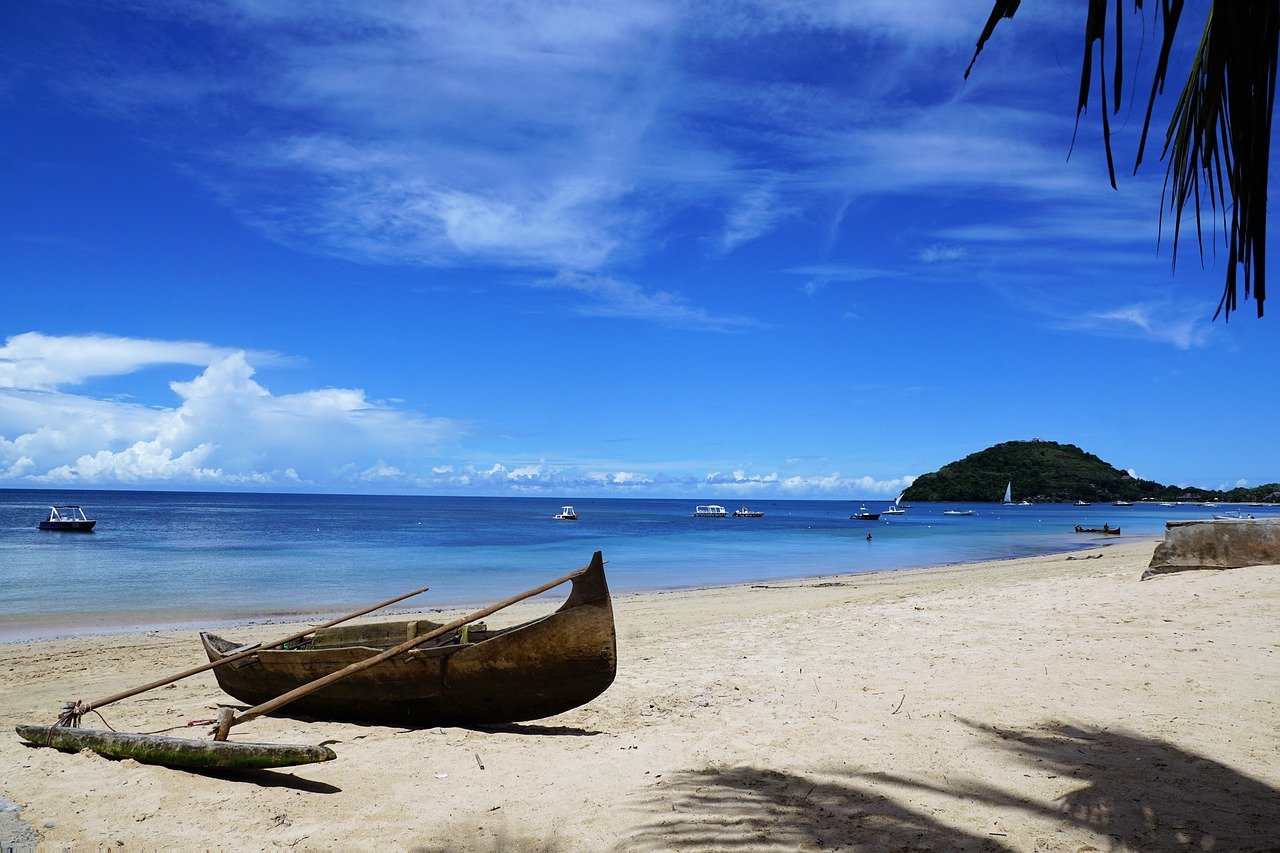
Other visits include a boat journey. Depending on your starting point and chosen route, a pirogue may form part of the excursion. We discuss where you will start, which part of the forest you will visit and how you will return. That way, you know what to expect.
Plan the boat journey and walk together
A trip along the coast can complement your visit. Weather, sea conditions and time ashore need to fit together, though. In your enquiry, let me know if you would prefer to arrive by road or include a boat journey.
A shorter forest visit or a longer walk
Which route suits your day?
Lokobe has several walking routes. Some focus on plants and wildlife, while others lead uphill. These examples from the authority’s visitor information can help you choose.
Kindro
Forest and palms, with several route options
Time depends on the route
Described as moderate by the authority.
Mitsinjo
An uphill walk with viewpoints
About 2 hours
Described as a demanding walk.
Ramy
A longer forest walk, there and back
About 4 hours
Described as moderate by the authority.
Mahery
A longer hike with uphill sections
About 5–6 hours
Described as a very demanding hike.
These times are published by Madagascar National Parks. Breaks, wildlife stops and the route option affect the day’s schedule. The authority describes several Kindro paths with different timings. We therefore confirm the option and time needed separately. Travel to and from the forest is additional to the walk.
For a day in humid forest
What to bring with you
Footwear with a good grip
Choose shoes you feel steady in on woodland trails. The ground can be slippery after rain. If you would prefer less walking or are travelling with children, we choose the route accordingly.
Water and rain protection
Pack drinking water and a light raincoat. Moisture protection is useful for your camera and phone, too. Before the excursion, we check the weather and plan around it.
Insect repellent and light clothing
Bring insect repellent. Light clothing with longer sleeves and trousers can be comfortable in the forest. Binoculars are useful if you enjoy watching birds or animals in the treetops.
Including Lokobe in your island stay
A forest outing between your days by the sea
Where you are staying on Nosy Be matters when planning the day. The journey from your hotel, the walk, a break and the return trip need to fit together. We leave more time for a longer route.
If you would also like to snorkel or dive, we plan that as a separate excursion or a combination agreed in advance. A forest walk does not automatically include a snorkelling stop.
If Nosy Be is part of a longer Madagascar trip, you can visit other nature destinations on the mainland before or afterwards. Montagne d’Ambre and Ankarana are separate stops. We arrange the connection between island and mainland around the other stages of your journey.
Looking closely as you walk
Lemurs, chameleons and the plants of Lokobe
The black lemur, Eulemur macaco, is one of Lokobe’s lemurs. Chameleons, geckos and other reptiles also live in the area. Many animals are well camouflaged. A local guide can help you look more closely and understand what you find. Particular sightings cannot be promised.
Palms and other forest plants deserve your attention, too. Lokobe preserves a remnant of the humid lowland forest of the Sambirano region. The protected area also includes coastal marine habitats.
Stay on designated paths and keep your distance from wildlife. Please do not touch or feed animals, even if one comes close to the trail. Quiet observation and a little patience can help you discover more of the forest.
Questions about visiting Lokobe National Park
Where is Lokobe National Park?
It is in the southeast of Nosy Be, an island off Madagascar’s northwest coast. You can plan a visit during a stay on Nosy Be. Your starting point and access depend on the chosen walk.
Do I have to arrive by pirogue?
No. The authority also describes road access to its visitor office near Marodoka. A pirogue journey can form part of a different itinerary. We agree beforehand on how you will reach the forest and return.
Is Lokobe suitable for children?
That depends on their ages, how much they enjoy walking and the chosen route. Some walks have substantial uphill sections. Tell me roughly how much walking your family would enjoy. We can then choose a suitable visit and allow time for breaks.
How much time do I need for the excursion?
That depends on the route and where you are staying on Nosy Be. The authority gives about two hours for Mitsinjo, four hours for Ramy and five to six hours for Mahery. Kindro’s duration depends on the option. Travel and breaks are added to these walking times.
Do you recommend a guide for the forest?
Yes. A local guide is especially helpful for wildlife watching and can explain the plants and forest around you. We discuss the walk and guiding in advance. Your trip planning and support from Lemur Tours are in English.
Your forest day on Nosy Be
Would you like to explore Lokobe?
Tell me when you will be on Nosy Be, roughly where you are staying and how much walking you would enjoy. If you would like to watch wildlife, take photographs or include a boat journey, mention that too. I will discuss a plan with you that fits your stay.