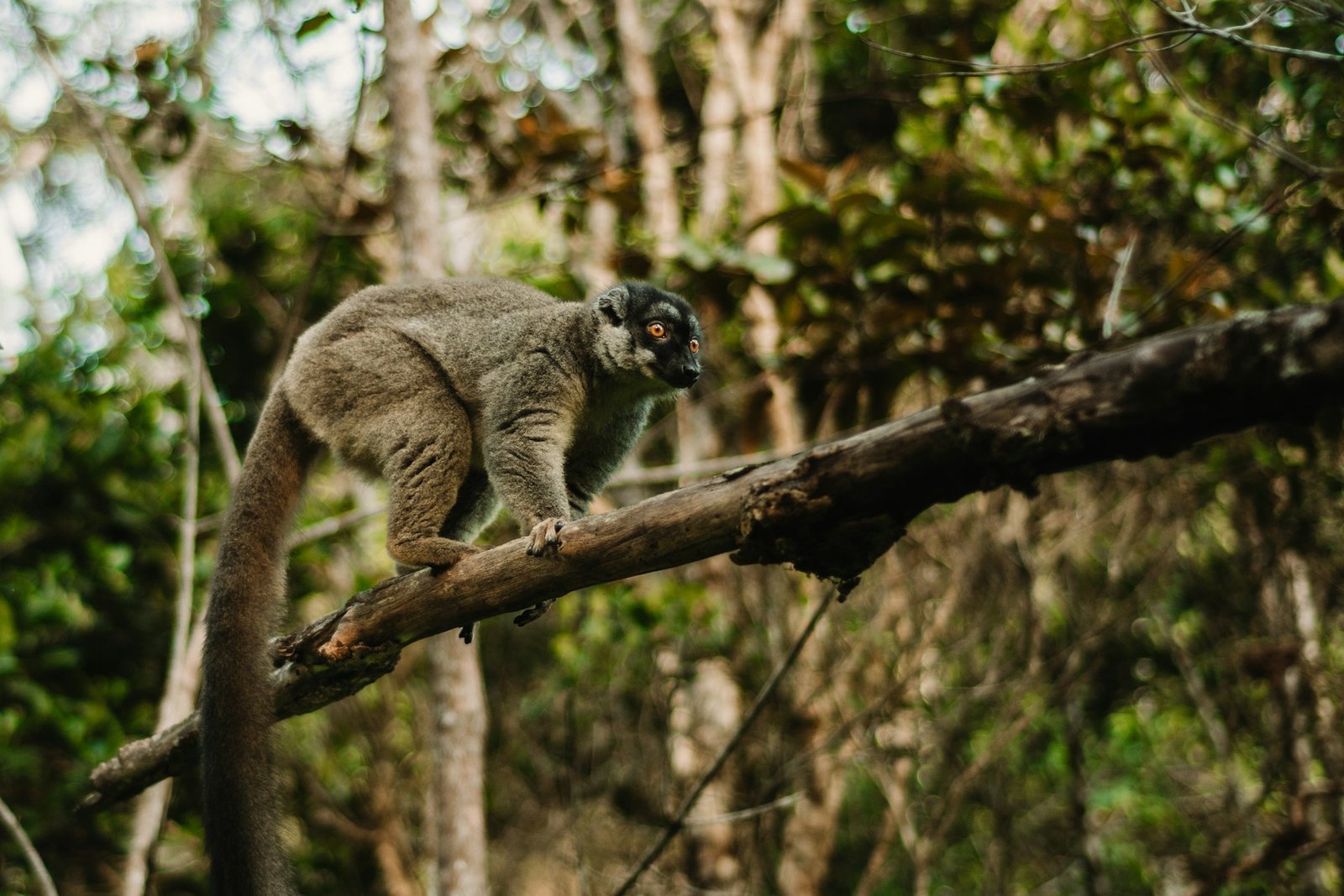
Explore the rainforest
Andasibe and Ranomafana are good places to start your selection. For a longer stay in the northeast, take a look at Masoala and Marojejy.

Lemur Tours · Explore nature
Rainforest, tsingy or dry forest: find the nature destinations that suit your trip.
Finding the right places
An indri calls in the rainforest. Further west, dry leaves rustle underfoot, while paths in the south wind between sandstone formations. Madagascar’s national parks reveal very different landscapes. You do not need to visit as many parks as possible: what matters is choosing places that fit your route and interests.
This overview helps you choose. Alongside national parks, it includes reserves, a private reserve and other nature destinations. You can see how the places differ and what to consider when planning your visit.
What would you like to experience?
Andasibe and Ranomafana are good places to start your selection. For a longer stay in the northeast, take a look at Masoala and Marojejy.

Isalo offers sandstone and canyons; Ankarana and Bemaraha are known for limestone tsingy. Trails vary considerably, so choose according to your interests and how comfortable you are on uneven terrain.
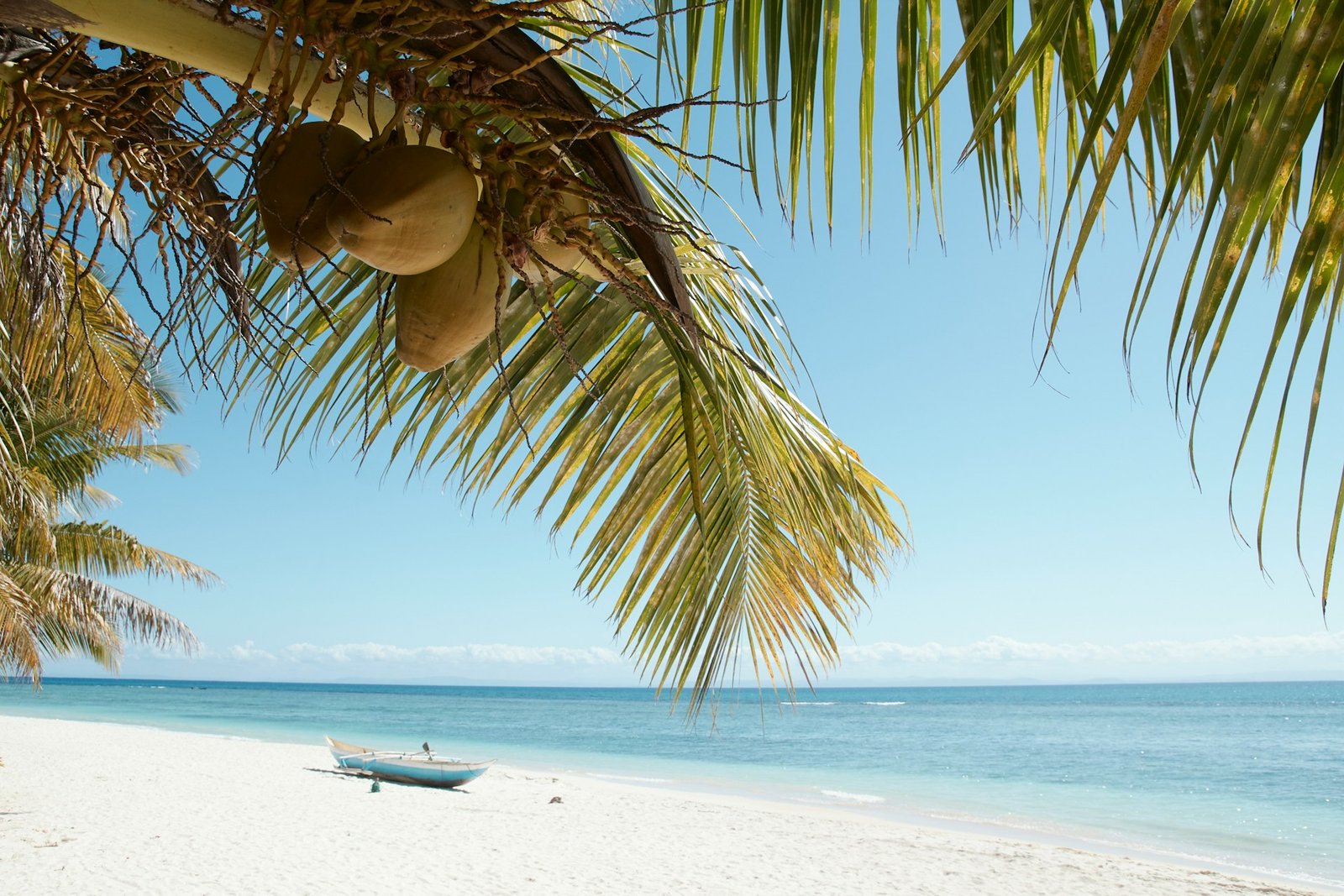
Lokobe adds a forest visit to a stay on Nosy Be. A trip to Masoala, with its forest and coast, needs separate travel arrangements. The Palmarium combines a private reserve with a stay in the Pangalanes area.
Forests, rock formations and coastlines offer very different ways to explore Madagascar.
The north and Nosy Be
Around Antsiranana, you can discover very different landscapes. On Nosy Be, Lokobe offers a forest visit to complement days by the sea.
National park
Forest and waterfalls
The mountain forest south of Antsiranana is green and humid. Paths lead between tall trees to waterfalls and viewpoints. For travellers who also want to experience rainforest in the north, it offers a contrast to the drier coast.
Planning your visit: Plan the walks and the journey from Joffreville together.
Special reserve
Grey tsingy and caves
Sharp limestone formations, patches of forest and caves shape Ankarana. How demanding a visit is depends on the trail you choose. The Red Tsingy are a separate destination and are not part of these limestone formations.
Planning your visit: Choose the access point and trail in advance; not every route suits every visitor.
National park
Forest on Nosy Be
Lokobe protects part of Nosy Be’s original forest. On a guided walk, look up into the canopy as well as for small animals beside the trail. The visit adds variety to an island stay.
Planning your visit: Coordinate transport, the local guide and the walk.
Other nature destinations
Mountain scenery and bays
A walk at Montagne des Français and an outing to the Three Bays reveal different sides of the Antsiranana area. They are separate destinations to include according to your time and interests.
Planning your visit: Allow enough time for the mountain walk and the coastal outing separately.
The northeast
Masoala and Marojejy need their own travel planning. They are not quick detours on the way from Antsiranana to Nosy Be.
National park
Where rainforest meets the coast
On the Masoala peninsula, humid forest reaches the sea. You can combine walks with a stay on the coast. The journey and transfers play a major part in how much time remains for the forest.
Planning your visit: Allow several nights locally and take connections and weather into account.
National park
Mountain rainforest and trekking
Trails lead from the lower forest up into Marojejy’s mountains. The landscape and demands change with altitude. Whether a shorter forest walk or a multi-day trek suits you depends on your fitness and travel dates.
Planning your visit: For longer treks, check current trail and camp conditions.
The east and southeast
Andasibe, Ranomafana and the Palmarium are different destinations. Your choice also depends on whether your route heads east from Antananarivo or south through the highlands.
National park and nearby protected areas
Rainforest east of Antananarivo
Around Andasibe, the calls of indris are a special part of the forest experience. Analamazaotra and Mantadia are different visitor areas. Their trails and access routes should therefore match the kind of walk you want.
Planning your visit: Choose the specific forest visit rather than trying to fit every area into one day.
National park
Rainforest on the edge of the highlands
Humid slopes and dense forest make Ranomafana a destination for attentive nature walks. Many trails go up and down. It can fit as a detour from the RN7 if you allow enough time for both travel and the forest.
Planning your visit: Agree on trail length and elevation changes with the local guide.
Private reserve
Forest and water by the Pangalanes Canal
The Palmarium is on Lake Ampitabe in the Pangalanes Canal area. A stay combines a boat journey with a private reserve. The experience differs from walking in a state-managed national park.
Planning your visit: Plan the boat transfer and accommodation together.
The south and southwest
Landscapes change noticeably along a southern route. Isalo, Andringitra and the destinations in the southwest each involve different trails, driving times and preparations.
National park
Sandstone, canyons and wide views
Near Ranohira, a landscape of sandstone formations and canyons opens up. A range of trails explores the area. Sunshine, walking distance and time to rest all matter when planning your visit.
Planning your visit: Include a suitable walking day in your southern route and carry water.
National park
Mountain scenery and longer walks
Andringitra suits travellers who want to spend time in the mountains. An overnight trek needs more preparation than a single nature walk. The route you choose should match your experience and equipment.
Planning your visit: Confirm access, trek duration, overnight arrangements and weather in advance.
National park
Forest along the southern route
Zombitse-Vohibasia forest lies on the RN7 between Isalo and Toliara. A guided walk can add a nature visit to the journey through the south. Especially for birdwatching, it is worth allowing time rather than simply passing through.
Planning your visit: Treat the visit as a separate activity within your driving day.
National park
A lake and the dry southwest
Around the lake, open water meets dry landscapes. Tsimanampetsotsa can complement a trip to the southwest, but it needs a suitable access route and enough time away from the main road.
Planning your visit: Check current access conditions and where to stay before finalising the route.
The west and northwest
In the west, the actual roads matter more than distances on a map. Ankarafantsika lies further north on the RN4 and belongs to a different route from the destinations around Morondava.
National park
Limestone scenery near Bekopaka
Bemaraha’s sharp tsingy are among Madagascar’s striking rock landscapes. Some trails require sure-footedness and cross exposed sections. Getting to Bekopaka is itself an important part of the planning.
Planning your visit: Check the season, access and demands of the specific trail beforehand.
Forest within Menabe Antimena
Dry forest north of Morondava
Kirindy Forest offers a different forest landscape from the humid east. It lies north of Morondava within the Menabe Antimena protected area. It is not part of Kirindy-Mitea National Park.
Planning your visit: Coordinate the forest visit with your trip around Morondava.
National park
Dry forest, coast and wetlands
Kirindy-Mitea lies south of Morondava. The national park combines several habitats and is a destination in its own right. Do not confuse it with Kirindy Forest to the north when planning your trip.
Planning your visit: Check access, season and accommodation options specifically for this park.
National park
Dry forest in the northwest
Ankarafantsika lies on the RN4 inland from Mahajanga. Forest trails, birdwatching and the scenery around Ampijoroa shape the visit. It suits a route into the northwest.
Planning your visit: Allow time locally for nature observation rather than just a stop during a drive.
Special protection status
Not every protected area is intended for an ordinary excursion. Conservation and research take priority in these two reserves. Including either in your trip can only be considered once access and the necessary permits have been agreed with the relevant management authority.
Strict nature reserve
Betampona lies northwest of Toamasina. The reserve is an important site for forest conservation and research. It is included here for background information, without any promise of a regular tourist visit.
Strict nature reserve
This mountain massif in the north is within a particularly protected area. Tsaratanana is a strict nature reserve, not a national park for a conventional tour. Access and specific activities require separate arrangements.
Turning your choices into a trip
Choose a region first. Adding a park at the other end of the island often means extra driving days. The driving times guide helps you plan more realistic stages.
A short forest walk, a hike among rock formations and an overnight trek are different undertakings. Tell me how long you like to walk and what kind of terrain you feel comfortable on. More about hiking in Madagascar.
Access roads, weather and local conditions can change your plans. Allowing some flexibility is especially useful in the west and in remote areas. Find guidance on when to travel.
When planning the details, we confirm access, a suitable trail, local guiding and available accommodation. Animals roam freely: the species you will actually see cannot be promised.
Suggested itineraries
An itinerary idea combining nature destinations around Antsiranana with island time. Montagne d’Ambre, Ankarana and Lokobe can be considered depending on the route.
A starting point for exploring contrasting forest and rock landscapes. The park visits and coastal stages that fit together depend on the length of your trip.
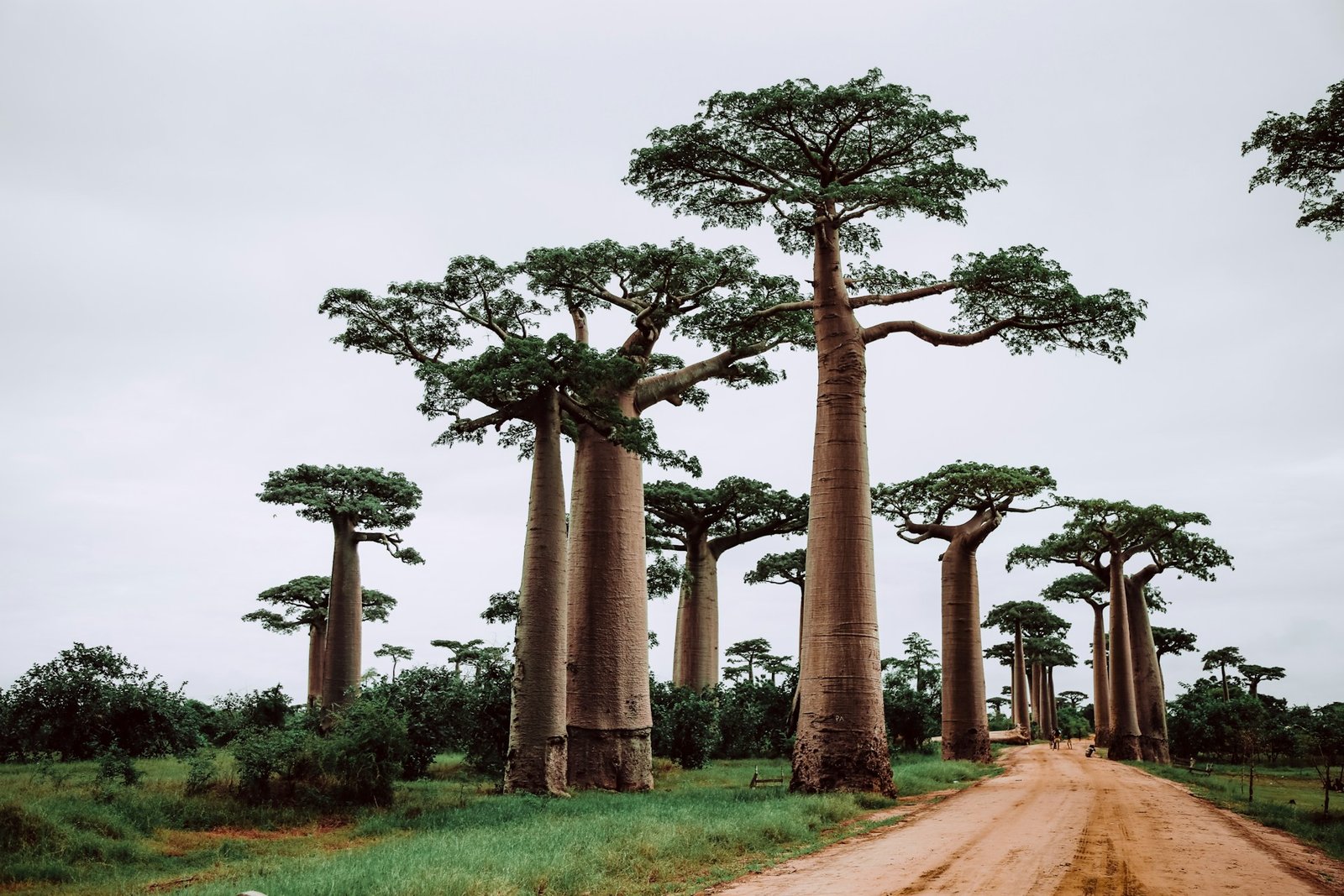
An itinerary idea for the west, with baobabs and nature destinations in the region. Access and season are crucial when considering a visit to Bemaraha.
These itineraries are starting points. We adapt the stages to your travel dates, available connections and wishes.
Good to know
It depends on your chosen region. On a southern route, Ranomafana and Isalo can reveal contrasting landscapes. In the north, Montagne d’Ambre and Ankarana are options. Andasibe offers rainforest east of Antananarivo. The key factors are the days available and the journeys between places.
There is no single ideal number. Two well-planned visits can leave more time for nature observation than many short stops. Alongside the walks, allow for travel, overnight stays and rest.
No. There are shorter forest trails as well as longer walks with steep or exposed sections. The demands can vary greatly within a single park. We therefore choose the specific trail to suit your abilities.
There is no single best time for every park. Conditions differ between the humid east, the highlands and the dry west. Access to tracks and remote destinations must be suitable for your travel dates. Rain is also possible during the drier months.
An accredited local guide is required for visits to parks managed by Madagascar National Parks. We confirm the services and fees for your chosen visit in advance. Private reserves and other nature destinations have their own rules. Current prices are provided when planning your specific trip.
Sightings are not guaranteed. A knowledgeable local guide can identify tracks, calls and promising places to look. Which animals appear also depends on the habitat, time of day and weather. Keep your distance, stay quiet and do not feed animals.
Plan your trip with me
Tell me whether you would most like to explore rainforest, watch birds or hike among rock formations. With your travel dates and planned trip length, we can choose places that work well together.