
Discover Madagascar step by step
On foot through rainforest, rocky landscapes and highlands
Hiking in Madagascar can take many forms: a forest walk in search of lemurs, a day among sandstone formations or a mountain trek with an overnight stay. There is time for small discoveries that are easy to miss from a car.
You do not need to plan an entire trekking holiday. Individual walks can also fit into a tour. We choose suitable trails according to your fitness, interests and the time available.
Four different landscapes
Hiking areas for your trip to Madagascar
The parks are in different parts of the country, so choose those that fit your itinerary. Two well-planned stays can give you more insight than many brief stops.
Rainforest in the south-east
Ranomafana: forest trails and wildlife watching
Ranomafana protects humid mountain rainforest with bamboo, rivers and waterfalls. On guided trails, you can look out for lemurs and birds and discover the plant life.
Steps, roots and steeper sections are part of the terrain. Trails can be slippery after rain. Allow time for observation breaks as well as walking.
Find out more about RanomafanaMountains in the southern highlands
Andringitra: granite mountains and Pic Boby
In Andringitra, forests alternate with upland plateaus and rocky mountain scenery. The area offers walks of different lengths and also lends itself to multi-day trekking.
Pic Boby, also known as Imarivolanitra, reaches 2,658 metres. The park authority describes the summit route as two days of walking with at least one night at altitude. Fitness, equipment and access need to be planned specifically for this trek.
Find out more about AndringitraSandstone landscapes in the south
Isalo: rocks, canyons and natural pools
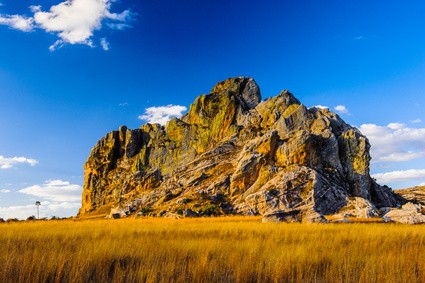
Around Ranohira, sandstone formations, open plateaus and canyons shape Isalo National Park. Different routes lead to viewpoints, canyons or natural pools.
Exposed stretches of trail can get plenty of sun. An early start, enough water and a suitable route are part of the planning. Check with the park guide whether swimming is permitted at a particular pool.
Find out more about IsaloDry forest in the north-west
Ankarafantsika: forest, birds and Lake Ravelobe
Ankarafantsika lies on the RN4 towards Mahajanga. Dry forest, Lake Ravelobe and striking erosion landscapes offer different themes for a guided walk.
There are dedicated routes for wildlife watching, baobabs and viewpoints. The right combination depends on your time and interests. Binoculars are useful for birdwatching.
Find out more about AnkarafantsikaArea and trail information from Madagascar National Parks:
Ranomafana (in French) (opens in a new tab)Andringitra (opens in a new tab)Isalo (in French) (opens in a new tab)Ankarafantsika (in French) (opens in a new tab)Choose according to your pace
A short nature walk, a full day’s hike or a trek?
Distance is not the only factor. Gradients, terrain, heat and observation stops all affect how a walk feels. Rather than simply describing yourself as “sporty”, tell me about the walks you enjoy.

Time to watch and listen
What makes a rainforest walk special
The trail is part of the experience
In the forest, light, sounds and vegetation can change within a few metres. Take time to notice plants, birdsong and small movements in the canopy. A gentle pace helps you observe more.
Local guides know the terrain
In the national parks featured here, you must be accompanied by an authorised local guide. The guide knows the permitted trails and helps you discover wildlife and plants. We agree the language of the visit during planning.
Observe from a respectful distance
Sightings of lemurs or other animals are not guaranteed. Stay on permitted trails, keep your distance and do not feed or touch wildlife. Follow the guide’s instructions on photography and lighting.
Park authority guidance on guides and visits (in French) (opens in a new tab)Set off well prepared
What to clarify before your walk
Your equipment depends on the terrain and the walk. A daytime forest walk calls for different preparation from several nights in the mountains. We discuss these points in advance.
Footwear and clothing
Wear broken-in hiking boots with good grip. For the rainforest, pack rain protection and something to keep delicate items dry. In the mountains, you need extra warm layers, especially for evenings and nights.
Water and day packs
Plan for enough drinking water, food and sun protection. Check with your guide what your particular walk requires. A day pack leaves your hands free while walking, and binoculars can help with wildlife watching.
Arrangements and included services
Before setting off, we agree the route, access, admission, park guide and transfer. Multi-day treks also require camping equipment, food and, where needed, porters. The itinerary sets out which services are included.
Choose your travel dates by area
When does hiking in Madagascar fit your travel plans?
There is no single ideal hiking season for the whole island. Conditions differ in rainforest, on exposed trails and at higher altitudes. The season helps narrow down the options, but weather and trail conditions on the day also matter.
Humid rainforest
For Ranomafana, the park authority recommends April to November as a favourable visiting period. Rain is still possible. Pack rain protection and allow enough time for wet, sometimes slippery trails.
Open landscapes
In Isalo, sun and heat matter when planning the day. Discuss your start time, water and the length of exposed stretches with your guide. A shorter loop may suit you better than a long walk in the midday heat.
Higher altitudes
Nights at altitude in Andringitra can be very cold. The park authority also warns of difficult access roads during the rainy season from November to March. The mountain trek and the approach therefore need to be planned together.
Choosing a route does not guarantee particular weather. Before each visit, we check with the local park authority or guide which trails are open and suitable for your group.
Questions about hiking in Madagascar
Do I need to be very fit for a trip to Madagascar?
That depends on the activities you choose. Individual nature walks can be planned differently from long day hikes or a mountain trek. Tell me how long you usually walk and what feels comfortable on steps, gradients or uneven ground. We can then choose suitable routes.
Can I hike in the national parks without a guide?
In the parks featured here, which are managed by Madagascar National Parks, an authorised local guide is required. We agree admission, the route and guiding arrangements beforehand. An English-speaking guide in a particular park must be confirmed separately.
Can I include Pic Boby in my tour?
We assess this according to your hiking experience, the season and the days available. For the summit trek, we plan the approach, walking days, overnight stays and equipment together. If that would be too long for you, we can discuss another walk.
Are night walks possible in the parks?
Evening wildlife watching is planned separately. We confirm the exact location, permitted route and guiding arrangements. A night walk inside a national park is only included if it is expressly allowed and available locally.
Can I combine hiking with a beach holiday?
Yes, with a suitable route, hiking days and time by the sea can work well together. The coastal region to choose depends on your hiking areas and overall trip length. We also plan the transfers so that there is time to relax after your walks.
Your hiking ideas for Madagascar
Which landscape would you like to explore on foot?
Tell me your travel dates, planned trip length and whether you are looking for individual walks or a multi-day trek. It also helps to know what kind of hikes you do at home. We can then find areas and stages that suit you.