
Madagascar, from beaches to reefs
Explore reefs and enjoy time by the sea
Look down over a reef with a mask and snorkel, or explore deeper with scuba equipment: diving and snorkelling in Madagascar reveal another side of the island. Around Nosy Be, Sainte-Marie and the south-west, there are different ways to discover the underwater world.
The right place for you depends on your route, the season and your experience in the water. Tell me whether you would like occasional snorkelling trips or several days of diving. Together, we can find a suitable place for them in your itinerary.
Two different experiences
Snorkelling or scuba diving: which would you prefer?
Either can add to your tour, but the requirements and arrangements differ. We start by choosing the experience, then look for a suitable outing.
At the surface
Snorkelling with a mask and fins
You watch underwater life from the surface. No diving certification is needed, but a suitable location, the right equipment and good swimming skills are still important.
Guided outings can be a good introduction. The guide explains how to enter and leave the water and what conditions to expect on site. If you feel unsure in the water, mention this during planning.
Underwater with scuba equipment
Dives suited to your experience
For regular guided scuba dives, you and the dive centre discuss your training, experience and suitable dive sites. Bring your certification card and logbook if you already dive.
Without certification, a supervised introductory dive may be an option if you meet the requirements. It does not replace a diving qualification. Discuss medical requirements with the dive centre beforehand and, if necessary, with a doctor qualified in diving medicine.
North-west, east or south-west
Where can you dive and snorkel in Madagascar?
These coastal regions are far apart. It usually makes sense to choose one and combine it with your tour, leaving more time on site and less time for additional transfers.
Nosy Be and Nosy Tanikely
The area around Nosy Be in the north-west includes well-known dive sites. Nosy Tanikely Marine National Park, with its reefs close to shore, is particularly interesting for snorkelling trips.
The small island is visited on day trips from Nosy Be. Check with the local operator which areas are accessible and suitable for you.
Sainte-Marie on the east coast
Off Sainte-Marie, there are coral reefs as well as wreck dive sites. The dive centre assesses whether a particular site suits you, based on your experience and the current conditions.
The island can complement a trip through the east. Whale watching from a boat is a separate, seasonal experience here.
Ifaty and Anakao in the south-west
In the Toliara area, Ifaty-Mangily and Anakao are among the destinations for exploring the underwater world. Reefs, coastal villages and beach days can be combined here.
Suitable boat trips and snorkelling sites depend on factors including wind, tides and the activities available locally. We fit your stay into your route.
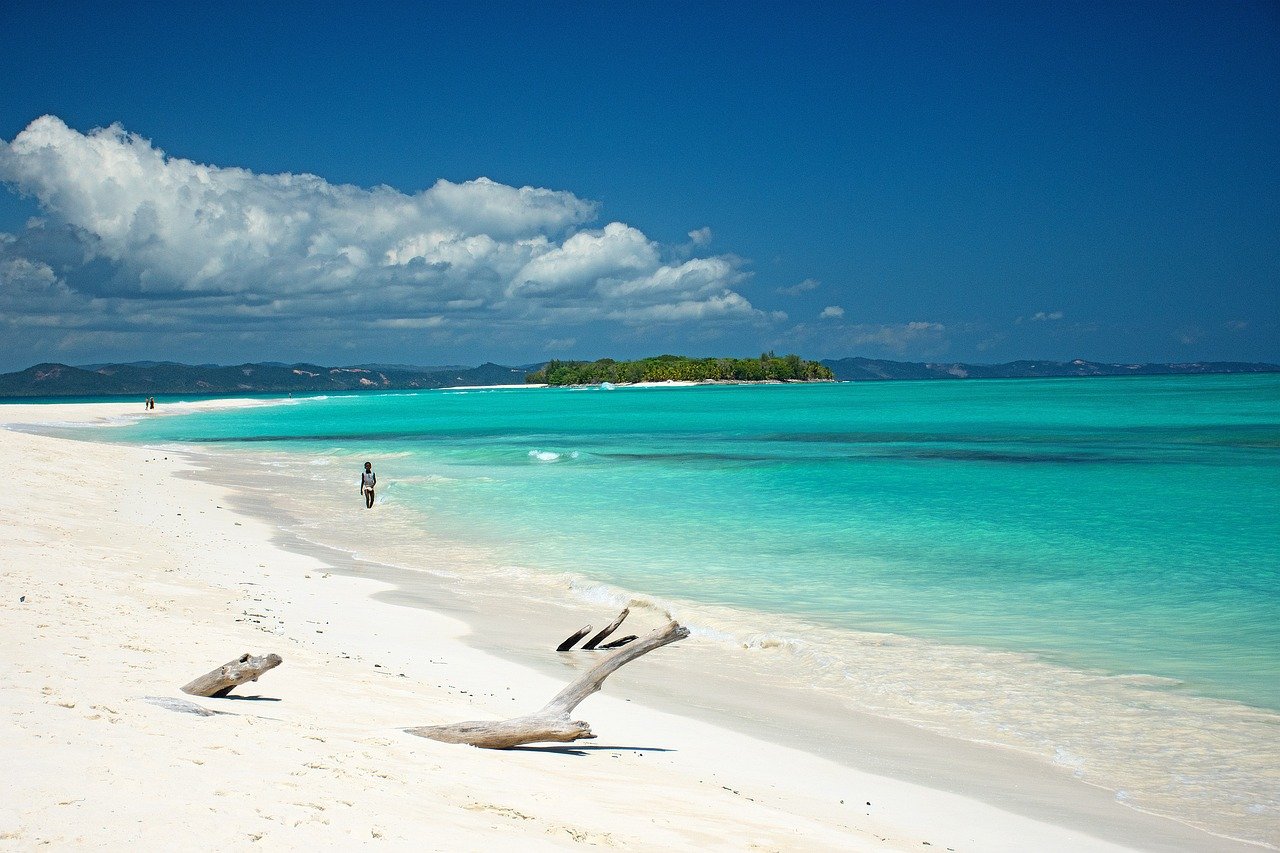
Your day by the sea
An outing that suits you
Experience and guidance
Would this be your first snorkelling trip, or have you been diving for years? Your experience helps determine the location and support you need. If you have not dived for some time, discuss with the dive centre whether a refresher would be useful.
Boats, weather and time
A beautiful beach does not necessarily have a suitable snorkelling spot just offshore. Some outings require a boat. Allow time for getting there, the briefing and possible changes due to the weather.
Equipment and what is included
Before booking, check whether masks, snorkels, fins or scuba equipment are included. Guiding, boat transfers, park admission and meals may also be handled differently depending on the offer.
The region makes a difference
When is a good time to dive and snorkel?
PADI gives April to December as a broad guide for diving trips to Madagascar. This does not promise calm seas in every location. Wind, currents, tides and rain all affect conditions on the actual day of your outing.
April to December
This broad period provides a starting point for planning. Also check with a local dive centre which month suits your chosen coastal region and activities.
January to March
The southern hemisphere summer brings more rain and a higher risk of cyclones, which can restrict outings. For these months, take particular care to check which dive centres are open and what alternatives are available.
A fixed visibility range or constant water temperature cannot be promised for the whole island. Current advice from the dive centre is key when choosing a diving or snorkelling site.
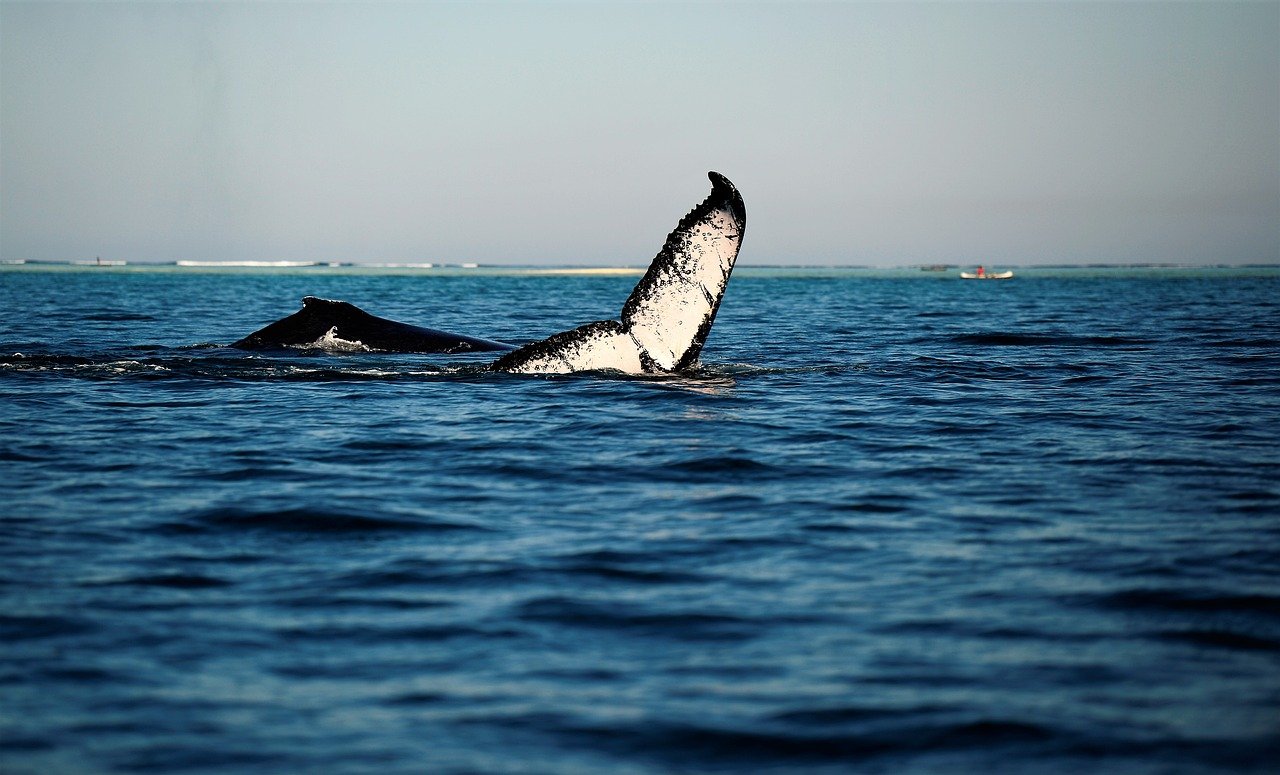
Observe from a respectful distance
Explore the underwater world with care
Leave corals and wildlife undisturbed
Do not touch corals or stand on the reef. Keep your fins clear of it too. Do not touch, chase or feed turtles or other animals. Follow the protected area’s rules and your guide’s instructions.
Wildlife sightings vary
What you see depends on the location, the season and chance. We therefore do not plan outings with guaranteed sightings of particular animals.
Whales off Sainte-Marie
The National Tourism Board gives June to September as the humpback whale season around Sainte-Marie. A guided boat-based whale-watching trip is planned separately. It does not promise encounters with whales while diving or snorkelling.
Explore Sainte-Marie with the Tourism Board (in French) (opens in a new tab)Questions about diving and snorkelling in Madagascar
Where is a good place for a first snorkelling outing?
Nosy Tanikely near Nosy Be is a well-known destination with reefs close to shore. Check with the operator whether an outing suits your swimming ability. Conditions on the day, a suitable briefing and appropriate guidance are what matter.
Can I take part without a diving qualification?
You do not need a diving qualification to snorkel. For regular scuba dives, each centre sets requirements for training and experience. A supervised introductory dive may be an option after checking that you meet the requirements. It is not a certification course.
Can I simply snorkel from the hotel beach?
Do not assume so. Access to the sea tells you nothing about reefs, currents, boat traffic or suitable places to enter and leave the water. Ask locally about approved areas and appropriate guidance.
Are sightings of turtles or other animals guaranteed?
No. Encounters with wildlife cannot be guaranteed. Choosing a suitable area and season can influence your chances, but animals decide for themselves whether and where they appear.
What should I consider when flying after diving?
Allow a sufficient surface interval between your last scuba dive and your flight. This depends on factors including your dive profile and the sequence of dives you have made. Discuss the itinerary with the dive centre early on, including any planned journeys to higher-altitude regions.
Divers Alert Network guidance on flying after diving (opens in a new tab)
Plan your tour and time by the sea together
Would you like to discover Madagascar’s underwater world?
Tell me your travel dates, planned trip length and whether you would like to snorkel or scuba dive. If you already dive, please mention your qualification and experience. We can then look at which coastal region and how many days by the sea suit your trip.